
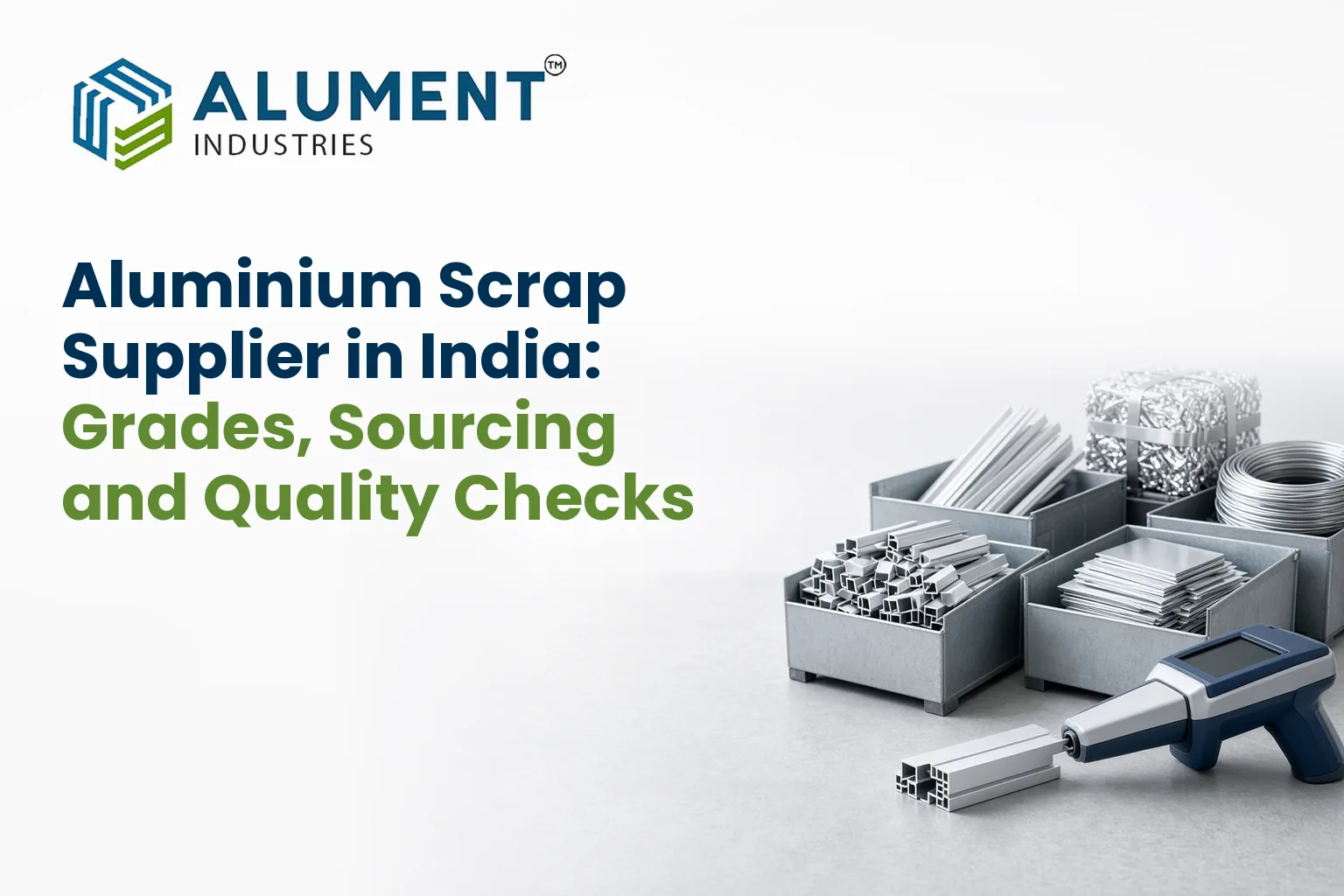
When a shipment of aluminium scrap arrives at your processing yard, discrepancies between documentation and actual delivery can immediately impact profitability.
A manifest declaring clean material often masks issues like paint flakes, unseparated steel bolts, or moisture from improper storage. These discrepancies reflect loose grading descriptions rather than outright misrepresentation, creating financial risk for buyers when the load is tipped out. Choosing a trustworthy aluminium scrap supplier in India is critical to ensuring what actually arrives matches what was ordered.
This guide covers the grades, sourcing questions, quality checks, and essential paperwork in clear, practical terms.
What Aluminium Scrap Actually Covers
Scrap isn’t one product. The label covers everything from clean factory offcuts to crushed old window frames, and the value, the melting behaviour and the headaches differ widely. Here are the groups you’ll hear about most:
Extrusion Offcuts and Sections
leftovers from making profiles such as frames and channels. These are usually among the cleaner kinds because the source is a factory.
Sheet and Cuttings
flat material from fabrication, sometimes coated or printed.
Cast Scrap
heavier pieces from things like engine parts and housings, which often carry different alloy content from sections.
Wire and Cable
can be clean, or wrapped in insulation that has to be dealt with.
Turnings and Borings
fine chips from machining, which can hold oil and moisture.
Mixed and Painted Scrap
often priced lower, and hardest to predict.
Names for these grades vary between sellers and regions, so don’t rely on a label alone. Ask the supplier to describe what’s in the load in ordinary words, and get that description written into the order.
Where the Metal Comes From
Ask every supplier the same simple question: where does this come from? Scrap from a fabrication shop that cuts one profile all day is a very different thing from scrap gathered through collectors and dealers, who may pool material from many places. Neither is automatically bad. But the second kind needs more checking, because what’s in one bale may not match the next.
A good supplier can tell you the general source, how steady it is, and whether the material is sorted before it’s loaded. Be wary of answers that are all enthusiasm and no detail. If the source changes often, ask how the supplier keeps the quality from swinging with it.
For a regular requirement, steady supply matters as much as a good first load. A single clean shipment proves very little.
What Usually Goes Wrong Inside a Load
Most disputes trace back to a short list of problems. Moisture is the first: wet or oily scrap weighs more than it should and can behave badly when melted. Foreign material comes next, such as steel inserts, rubber, plastic, soil or stray bits of other metals. Coatings and paint add weight and waste. Finally there’s mixing, where two grades that should have been kept apart end up in the same bundle.
None of these is rare, and a decent supplier won’t pretend otherwise. What you want is a seller who tells you plainly how they keep them down: sorting at source, covered storage, loading checks, and a willingness to take a complaint seriously. Ask what happens if you open a load and find something that doesn’t match the description. The reply tells you how the relationship will go.
Testing Worth Asking About (Quality Check)
You don’t need a laboratory on your premises, but you should know what quality checks happen before material leaves the supplier and what happens when it reaches you. Plain checks go a long way:
- Visual inspection of the load for paint, plastic, steel and obvious mixing.
- A magnet test to catch iron and steel hiding in the pile.
- Weight checks on a proper weighbridge, ideally with a slip you can keep.
- A moisture and oil check, which can be as simple as looking and feeling for dampness.
- A composition check where the buyer needs to know the alloy, often done with a handheld analyser or a lab sample.
Which of these matters depends on how you’ll use the metal. A recycler melting mixed scrap cares about different things than someone who needs a specific alloy. Say what you need, then ask which checks the supplier can support and whether you can see the results. If you have your own testing, agree how a disputed load will be sampled so neither side argues about the method afterwards.
Paperwork You Should Expect
Documents are boring until a load is questioned, and then they’re everything. At the very least, ask for an invoice, a weight record for each consignment, and a clear description of the material. Depending on the deal, you may also want a packing list, transport papers, and a test report where one exists.
If the material crosses a border, ask the supplier which rules and papers apply, and check with your own advisers as well, since requirements differ by route and change over time. Don’t assume anything is covered. If a certificate matters to you, ask for the actual document and confirm its current and relevant to what you’re buying.
Keep everything together for each order. When there’s a question three months later, a tidy file settles it in minutes.
Comparing Offers Fairly
Two offers for “aluminium scrap” are rarely for the same thing. Before comparing rates, check that both describe the same grade, the same condition and the same terms: who weighs the load, where, who pays for loading and transport, and how payment works.
A lower rate often hides a wetter, dirtier or more mixed load, and you pay for that difference later in lost weight and rework. When a number looks too good, find out what it leaves out.
Signs of a Dependable Supplier
Strip away the sales talk and a few signs separate dependable suppliers from the rest. They answer technical questions directly. They describe their material honestly, including what they can’t offer. They’re comfortable with you inspecting a sample or visiting the yard. And their replies at the inquiry stage stay just as steady after the order.
Location can help in a practical way. An aluminium scrap supplier in Gujarat, for example, may be easy to visit if you’re nearby, which makes inspecting material and seeing how it’s stored far simpler. It doesn’t prove quality by itself, though. The same questions apply wherever the supplier sits.
If you also buy extruded sections, it helps to know how an aluminium extrusion plant in Gujarat works, because material quality shapes what comes out at the other end.
Start Small, Then Scale
Whatever you decide, don’t begin with your biggest order. Ask for a trial lot, inspect it on arrival, compare it against the description and the paperwork, and note what you find. Share that feedback with the supplier. How they react to a small complaint predicts how they’ll handle a big one. If the trial goes well, move up in steps, and keep checking. Consistency is earned over several loads, not promised in one conversation.
Talk to Alument Industries
Alument Industries is an aluminium extrusion business in Gujarat. To discuss a scrap requirement with Alument Industries, share your material needs and quantity with our team.
Frequently Asked Questions
What should I check first when choosing an aluminium scrap supplier?
Start with how the supplier describes the grade, where the material comes from and what checks happen before dispatch. Then ask for a trial lot.
What documents should come with a scrap load?
At minimum, an invoice, a weight record and a clear description of the material. Test reports or transport papers may also be needed, so ask the supplier what they provide.
How can I avoid paying for dirty or mixed scrap?
Agree the grade description in writing, inspect the load on arrival and start with a trial lot. Settle in advance what happens if the load doesn’t match.